Understanding FIPS 140-2 Standards for Secure Data Storage
FIPS 140-2 is a key standard for protecting sensitive data and is widely used by government, healthcare, financial, and enterprise organizations when selecting secure cryptographic solutions. Understanding its requirements helps IT and compliance teams choose the right encrypted devices, strengthen security controls, and support regulatory alignment. This content is for general information only, since actual compliance obligations depend on the sector, data type, and jurisdiction.
Introduction to FIPS 140-2 Standards.
FIPS 140-2, or Federal Information Processing Standard Publication 140-2, establishes a series of requirements for cryptographic modules - hardware, software, or firmware that implement operations such as encryption, decryption, and digital signing. Set by the U.S. National Institute of Standards and Technology (NIST), FIPS 140-2 defines not only technical criteria but also operational processes and physical protections, offering a common language of assurance for critical security products.
The standard originated in 2001, applying first to U.S. federal agencies, and soon became a reference point for global procurement, including by Canadian governmental bodies and EU-aligned critical infrastructure operators.
- Broad Scope: Cryptographic modules include both devices (such as encrypted drives) and cryptographic software libraries.
- Escalating Security: FIPS 140-2 outlines four security levels, each with distinct technical and physical requirements.
- Diverse Coverage: Covers hardware appliances, secure storage (USB, SSD, microSD), authentication tokens, and embedded cryptography.
Importance of FIPS 140-2 in Regulated Sectors
FIPS 140-2 compliance has become a central expectation for any organization handling regulated or high-value information, especially those bound by public sector or cross-border data protection obligations.
Regulatory Drivers: Mandatory for U.S. federal agencies; expected by EU/EEA organizations for GDPR Art 32 & NIS2; required in Healthcare (HIPAA) and Finance.
Consequences of Non-Compliance: Fines or enforcement actions from regulators, loss of contracts, and data breaches resulting in significant reputational damage and liability.
The Four Security Levels of FIPS 140-2
FIPS 140-2 categorizes assurance into four levels, each expanding protections for both the cryptographic process and the surrounding device. Selecting an appropriate level is essential to balancing risk, operating conditions, and compliance.
Baseline Security Foundations
Requires use of FIPS-validated cryptographic algorithms (AES/AES-XTS). Permits commercial hardware with minimal physical protection.
Controlled Access & Tamper Deterrence
Adds tamper-evident seals or coatings. Introduces role-based authentication, limiting operations to authorized staff.
Tamper-Resistance & Identity Controls
Imposes identity-based authentication. Robust tamper-resistance triggers cryptographic key zeroization if a physical attack is detected.
Maximum Physical & Environmental Security
Continuous detection of physical tampering and anomalies. If breached, device securely destroys all sensitive material.
FIPS 140-2 vs. FIPS 140-3: Evolution of Standards
With the release of FIPS 140-3, the security community has begun transitioning to updated assessment frameworks. For now, most commercial and legacy systems in Europe reference 140-2, but future deployments must address both.
FIPS 140-2
- Introduced in 2001
- Existing certifications valid under certain conditions
- Algorithm coverage set at certification (static)
- Valid until product change or NIST sunset
FIPS 140-3
- Introduced in 2019
- All new validations fall under 140-3
- Ongoing algorithm updates with international standards
- Required for new deployments only
Core Requirements and Cryptographic Standards
FIPS 140-2 mandates a multi-faceted approach, addressing both cryptographic functions and the broader mechanics of hardware security.
- Approved Algorithms: AES, AES-XTS, Triple DES, and recognized hashing mechanisms. No proprietary cryptography permitted.
- Physical Mechanisms: Seals or tamper-indicating features (Levels 2+), tamper-resistant chassis and automatic key zeroization (Levels 3+).
- Authentication Controls: Level 2 utilizes role-based controls, while Levels 3/4 require true identity-based credentials.
- Self-Testing & Active Monitoring: Mandatory at power-up and regular intervals to verify integrity. Automatic failure if anomalies are detected.
Integrating FIPS 140-2 Certified Products with Dataway Security Solutions
Bridging technical guidance to actionable outcomes, Dataway Security distributes products specifically engineered for stringent regulatory environments across Europe. These solutions provide both cryptographic and physical security aligned with FIPS 140-2 requirements.
External SSDs & HDDs
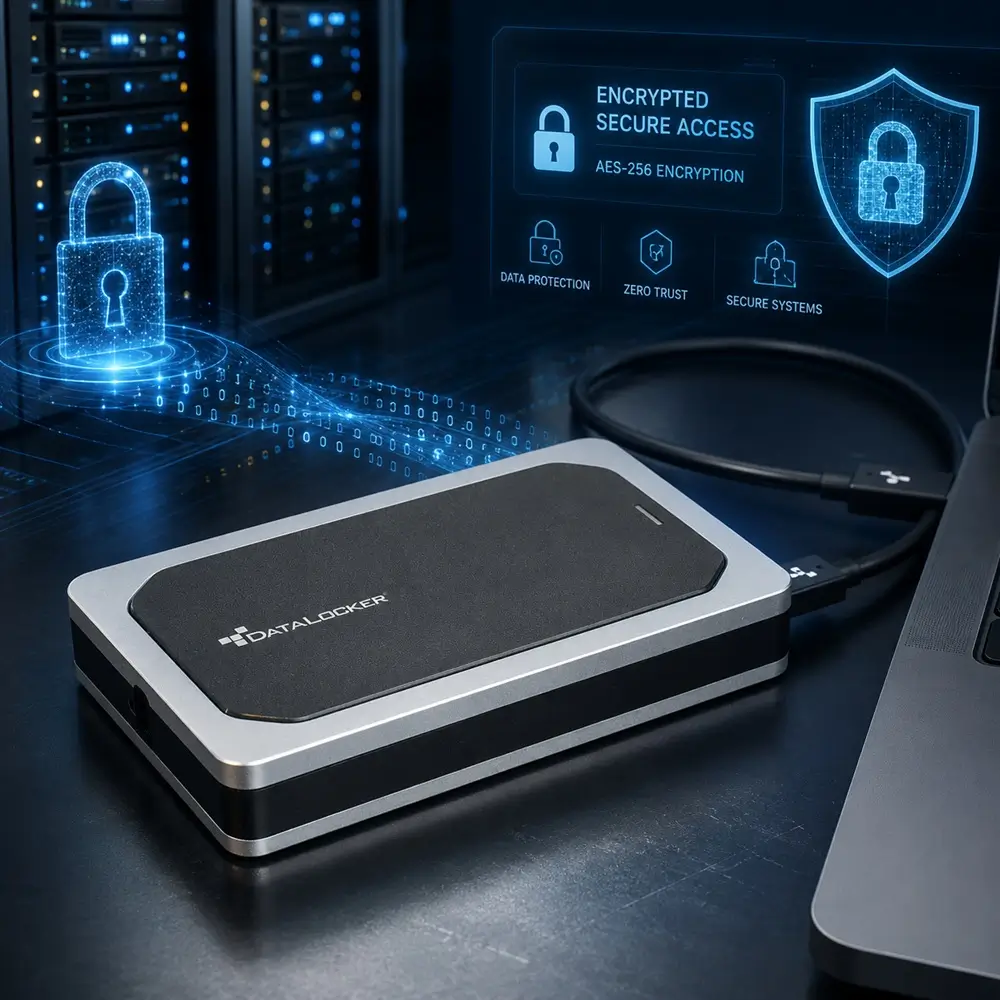
Robust data-at-rest protection with AES-XTS encryption, secure PIN/biometric authentication, and strong tamper response.
Encrypted Flash Drives
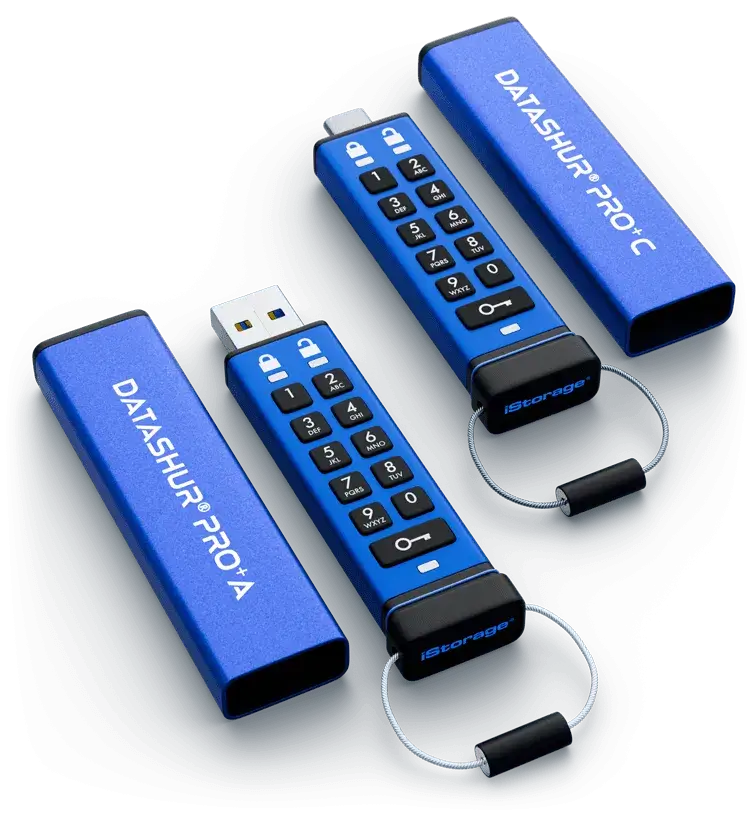
Compact, validated devices available with PIN, biometric, or strong password protections for on-the-go professionals.
FIDO Keys & OTP
Enhance device access controls through proven multi-factor authentication hardware integrating directly with encrypted drives.
Faraday Solutions
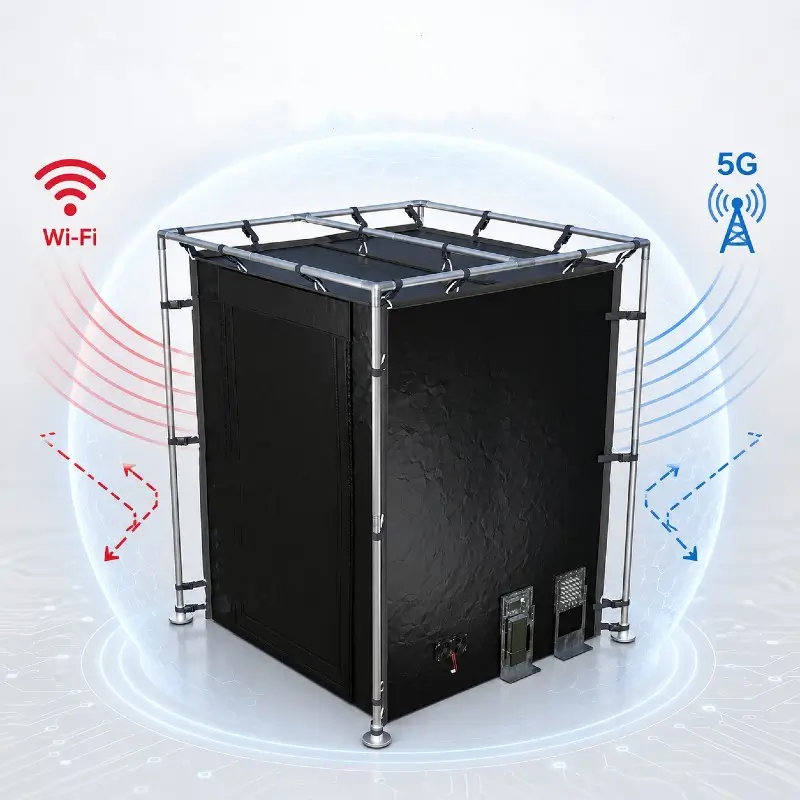
Shield devices against wireless threats using Faraday bags and forensic enclosures to mitigate eavesdropping.
Management Services
Centralized admin covering access policy, firmware security, and compliance recordkeeping.
Common Misconceptions
No. Certification only covers the module itself. System-wide compliance depends on how the module is integrated, managed, and audited within broader operations.
Yes, if handling regulated data, cloud providers should offer validated modules for data at rest. Request compliance reports and validation certificates.
FIPS 140-2 remains a powerful and widely recognized standard. For product guidance and technical support aligned with data protection mandates, Dataway Security offers direct consultation, certified hardware, and management services across Europe.
Browse Compliant Solutions →Same category
- How to Choose and Test a Professional Faraday Tent.
- Overview of the Mission Darkness BlockBox Lab XL Forensic Enclosure
- Why Hardware Encrypted USB Drives Outperform Software Solutions
- The Digital Shield: Understanding the Importance of Faraday Bags
- Best Encrypted USB Drives in 2026: Tested and Compared